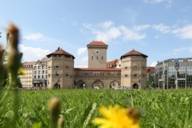
Isartor gate is the only one of Munich’s city gates that has retained its original main tower. Built in 1337, it has been restored multiple times over the years – and yet it still holds secrets that even some locals do not know.
Along with Sendlinger Tor and Karlstor, Isartor is one of Munich’s last three city gates – and since the others have only retained their outer gates, it also boats the last main gate in the city. Given its long history, it is all the more amazing that we can still admire the gate today: it was originally built in 1337 during the construction of the city wall and was restored by Friedrich von Gärtner around 500 years later. After incurring severe damage during the Second World War, it then underwent extensive renovations during the 1970s.
Once the main entrance to the city, today Isartor separates the historic Altstadt from the Lehel and Isarvorstadt areas. It is also one of the most important stops on the main S-Bahn line and leads directly into the road known as the Tal – itself an important part of the Salzstrasse, or Salt Road, just like the eastern city gate. It led from Salzburg through Munich and on to Switzerland.
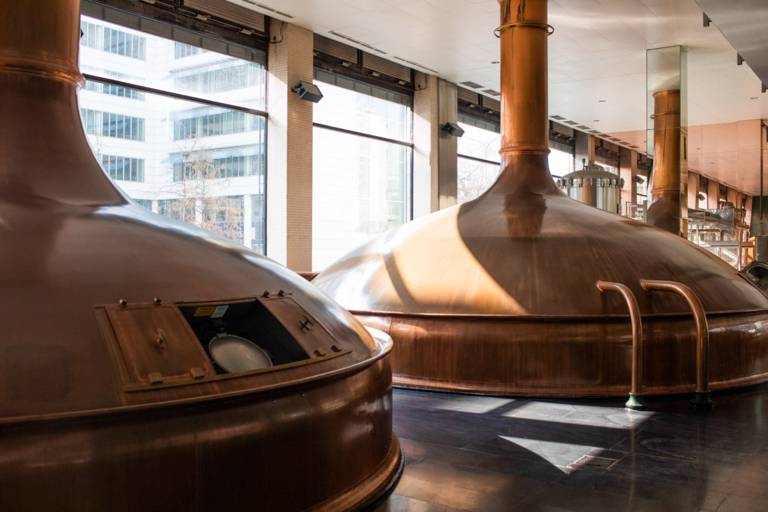
Isartor is also an important venue for various events in the city centre – in addition to exhibitions and concerts, it also hosts the Feuerzangenbowle, in the winter. Here, the traditional hot punch after which the event is named is served from a gigantic, flaming cauldron.
Many people do not know that the towers of the Isartor are home to the Valentin-Karlstadt-Musäum, a museum dedicated to comedian and folk singer Karl Valentin and actress and cabaret artist Liesl Karlstadt, which opened in 1959. If you visit the museum, you should be sure to stop off at the Turmstüberl café as well. As an homage to Karl Valentin, the clocks at Isartor gate work a little differently: the tower clock, which faces the Tal, actually runs backwards – its hands move anticlockwise.